A great man is one who collects knowledge the way a bee collects honey and uses it to help people overcome the difficulties they endure - hunger, ignorance and disease!
- Nikola Tesla

Remember, remember always, that all of us, and you and I especially, are descended from immigrants and revolutionists.
- Franklin Roosevelt

While their territory has been devastated and their homes despoiled, the spirit of the Serbian people has not been broken.
- Woodrow Wilson

Film „Dara iz Jasenovca“ srpski kandidat za nagradu „Oskar“

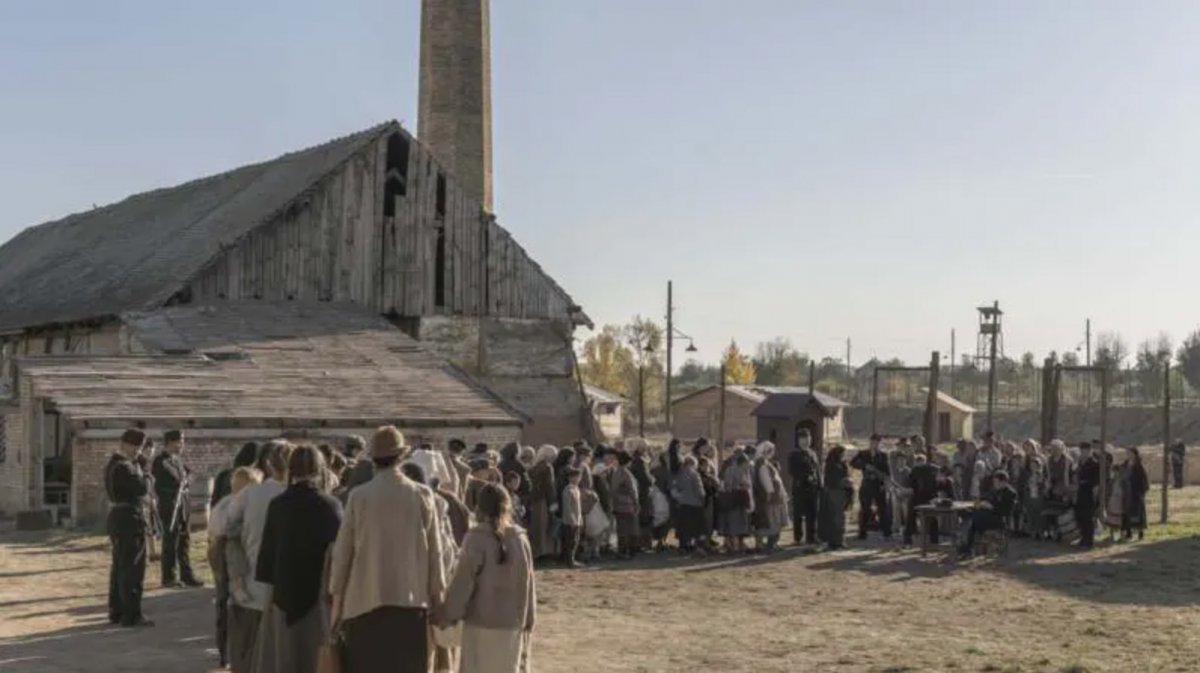
Film „Dara iz Jasenovca“ reditelja Predraga Antonijevića predstavljaće Srbiju u trci za 93. nagradu Američke akademiјe filmske umetnosti i nauke – Oskar, u kategoriјi za naјbolji međunarodni film (International Feature Film Award), saopštio je danas Filmski centar Srbije.

Film je odabrala komisija u sastavu Dobrivoje Tanasijević – Dan Tana (član Američke akademije filmske umetnosti i nauke, član komisije po predlogu FCS-a) Miroslav Lekić (ispred Udruženja filmskih umetnika Srbije), dr Ivana Kronja i Tanja Bošković (po predlogu AFUN-a), Sandra Perović (ispred Upravnog odbora FCS-a), Dara Džokić (ispred Udruženja filmskih glumaca Srbije) i Dejan Lutkić (po predlogu FCS-a).

„Komisija izražava veliko zadovoljstvo, jer smo ove godine imali izuzetno kvalitetnu, žanrovski raznoliku filmsku ponudu.  Izabrani film „Dara iz Jasenovca“ je emotivno snažna drama koja se bavi istorijskom traumom nudeći pre svega poštovanje prema žrtvama. Tema je izuzetno značajna, bolna i traumatična, pri čemu je film izbegao zamku da se ponovo probude aveti prošlosti jer nije stavljen u politički diskurs. Tragične okolnosti nisu predočene u kontekstu opšteg zločina, već je tragedija personalizovana. Zločin ima svoje ime i prezime, tako da se film ne bavi brojkama i opštim mestima, već pojedinačnim sudbinama, stvarajući na taj način veoma sugestivnu sliku tragedije koja se dogodila. Bila je potrebna velika hrabrost celokupne autorske ekipe da se prihvati tako delikatne teme“, navedeno je u obrazloženju odluke komisije.

Članovi komisije ističu visok umetnički kvalitet filma, vrsnu režiju, britak scenario, fotografiju koja doprinosi vizuelnoj poetici filma, muziku, scenografiju i kostim, kao i ekspresivnu glumu postignutu u ovom „ansambl filmu“ (naročito kada je reč o ženskim likovima). Kroz sudbinu čitavih porodica, prikazana je snaga volje malog čoveka, kao i ogromna ljubav i čovečnost u okolnostima koje su teško zamislive.

Izvor: Danas


SA


People Directory

Ivana Todorović

Ivana Todorović je rediteljka kratkih socijalno angazovanih dokumentarnih filmova, koje je pravila u Beogradu i Njujorku. Filmovi „Ja kada sam bila klinac, bila sam klinka“, „A Harlem Mother“, „Rapresent“ i „Svakodnevica romske dece iz bloka 71“ prikazani su na preko 100 internacionalnih filmskih festivala poput 63. Festivala u Berlinu, Berlinale Shorts; IFF Rotterdam, The Traverse City Film Festival (festival Michael Moore-a), Palm Springs Shorts, Sarajevo Film Festival; Anthology Film Archive u Njujorku i Cultura Contemporiana de Barcelona. Nagradjivani su na festivalima u Srbiji, Kosovu, Americi, Rusiji, Italiji, Kanadi.

Read more ...

Publishing

On Divine Philanthropy

From Plato to John Chrysostom

by Bishop Danilo Krstic

This book describes the use of the notion of divine philanthropy from its first appearance in Aeschylos and Plato to the highly polyvalent use of it by John Chrysostom. Each page is marked by meticulous scholarship and great insight, lucidity of thought and expression. Bishop Danilo’s principal methodology in examining Chrysostom is a philological analysis of his works in order to grasp all the semantic shades of the concept of philanthropia throughout his vast literary output. The author overviews the observable development of the concept of philanthropia in a research that encompasses nearly seven centuries of literary sources. Peculiar theological connotations are studied in the uses of divine philanthropia both in the classical development from Aeschylos via Plutarch down to Libanius, Themistius of Byzantium and the Emperor Julian, as well as in the biblical development, especially from Philo and the New Testament through Origen and the Cappadocians to Chrysostom.

With this book, the author invites us to re-read Chrysostom’s golden pages on the ineffable philanthropy of God. "There is a modern ring in Chrysostom’s attempt to prove that we are loved—no matter who and where we are—and even infinitely loved, since our Friend and Lover is the infinite Triune God."

The victory of Chrysostom’s use of philanthropia meant the affirmation of ecclesial culture even at the level of Graeco-Roman culture. May we witness the same reality today in the modern techno-scientific world in which we live.