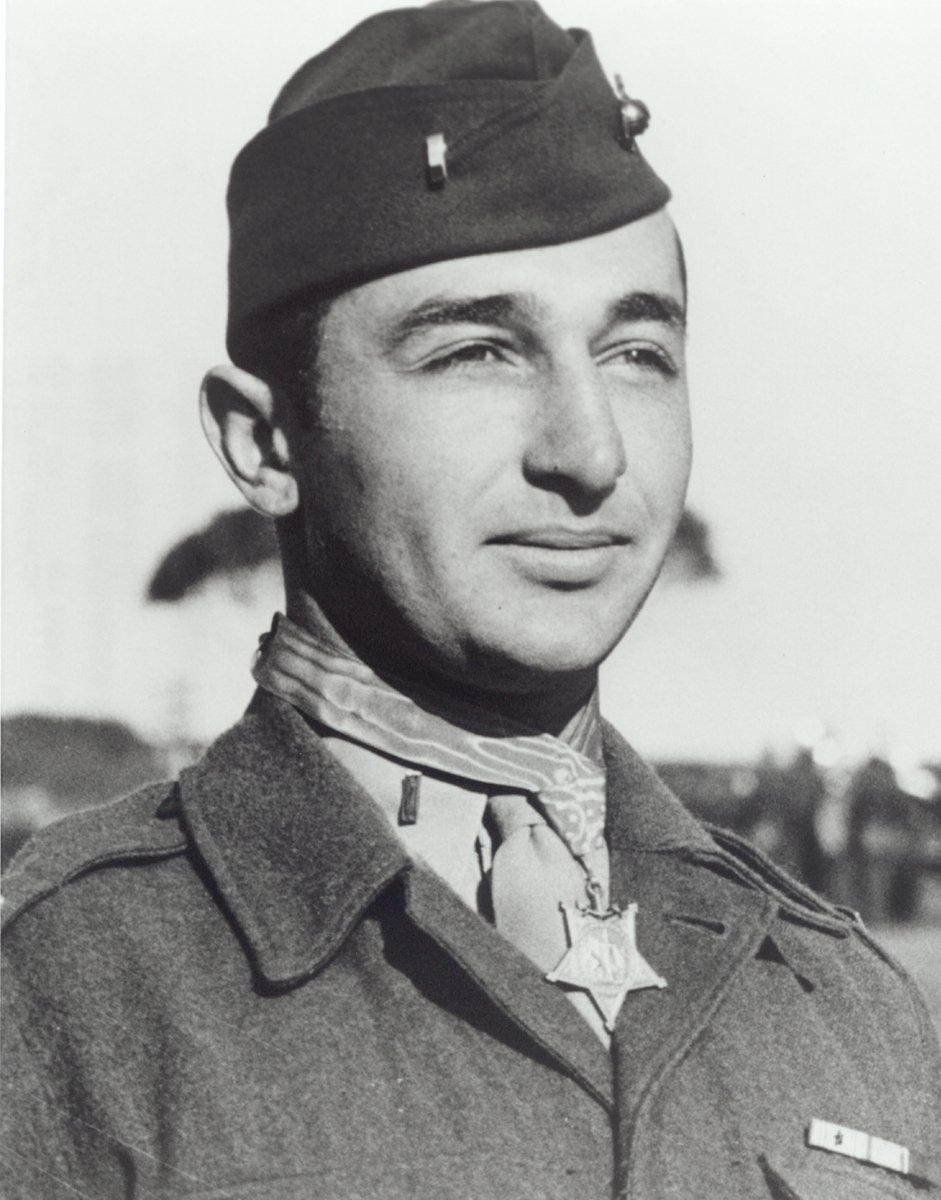
A great man is one who collects knowledge the way a bee collects honey and uses it to help people overcome the difficulties they endure - hunger, ignorance and disease!
- Nikola Tesla

Remember, remember always, that all of us, and you and I especially, are descended from immigrants and revolutionists.
- Franklin Roosevelt

While their territory has been devastated and their homes despoiled, the spirit of the Serbian people has not been broken.
- Woodrow Wilson

ПРОЛЕЋЕ И ПАСХУ НИШТА НЕ МОЖЕ УКИНУТИ - Васкршња порука Епископа Лосанђелеског Максима (II део)

Хришћани су већ доживели искуство љубави и милосрђа Божијег и знају да их Он неће оставити ”сиротима”. Као што пролеће опојно делује на све, тако за све хришћане Пасха делује опојно и радосно. И као што ће овогодишње Пролеће за највећи број људи бити недоступан плод, тако ће и Васкрс као литургијски догађај бити многима недоступан. Али, да ли можемо да кажемо да свет не опитује пролеће? Не! Да ли можемо да кажемо да хришћани не опитују Пасху? Никако! Дакле, иако не можемо да се радујемо пролећу у природи, тако не можемо Пасху да славимо у њеном природном окружењу, а то је храм. Али, и Пролеће је ту и Пасха је ту.

SA


People Directory

Branko Tomović

Branko Tomović (Serbian Cyrillic: Бранко Томовић; born June 17, 1980) is a Serbian-German actor. He was born in Münster, Germany, though his actual origin is from the Carpathians in Serbia. His parents emigrated in the 70's from the Golubac Fortress area on the Danube and Branko was raised between Germany and Serbia before he studied acting at the prestigious Lee Strasberg Theatre Institute in New York City. Tomović was first seen on the big screen in the lead role in the American Film Institute/Sundance drama Remote Control, for which he received the OmU-Award at the Potsdam Film Festival.

.
Read more ...

Publishing

History, Truth, Holiness

by Bishop Maxim Vasiljevic

Bishop Maxim’s first book, described by Fr. John Breck as an “exceptionally important collection of essays” contributing to both the theology of being and also contemporary theological questions, is now available! Christos Yannaras describes Bishop Maxim as “a theologian who illumines” and Fr. John McGuckin identifies his work as “deeply biblical and patristic, academically learned yet spiritually rich.” The first half of the book collects papers emphasizing theological ontology and epistemology, reminding us how both the mystery of the Holy Trinity and that of the Incarnation demand that we rethink every philosophical supposition; it includes chapters on holiness as otherness, truth and history, and the biochemistry of freedom. The second half of the book features lectures dedicated to the theological questions posed by modern theology, including studies of Orthodox and Roman Catholic ecclesiology, liturgics, and the theology of icons.