A great man is one who collects knowledge the way a bee collects honey and uses it to help people overcome the difficulties they endure - hunger, ignorance and disease!
- Nikola Tesla

Remember, remember always, that all of us, and you and I especially, are descended from immigrants and revolutionists.
- Franklin Roosevelt

While their territory has been devastated and their homes despoiled, the spirit of the Serbian people has not been broken.
- Woodrow Wilson

Vranac in American Vineyards

Wine migrations from the Balkans to the USA do not come as a surprise. The story about Zinfandel's beginnings on the American continent is well-known. The most important institution in the USA focused on grapevine research is UC Davis. It also founded a vine nursery where all new varieties of grapevine on the American soil are checked for viruses and further propagated and sold to commercial nurseries throughout the United States.

In 2010, the so-called "2010 Protocol" was launched, defining the criteria that grapevine must meet in order to be planted in their new foundation vineyard Russell Ranch.

Since then, growing number of grape varieties has been arriving at the Russell Ranch Collection, where continued work is done to prepare them for potential commercial use. The first specimens of Vranac arrived in the 1970s, thanks to prof. Lazar Avramov. Later on, a group of varieties from the Balkans (Montenegro, Macedonia, Dalmatia) arrived from Slovenia to UC Davis nursery and implementation of the 2010 Protocol began with an ambition to place those vines in the Russell Ranch foundation vineyard.

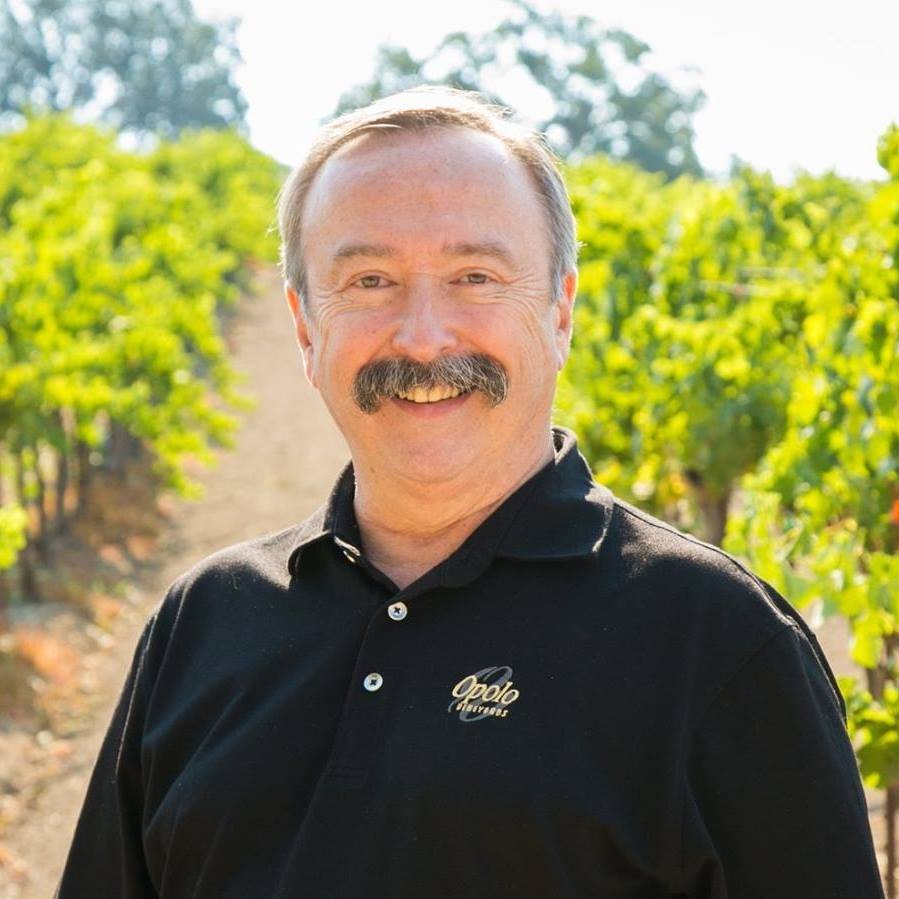
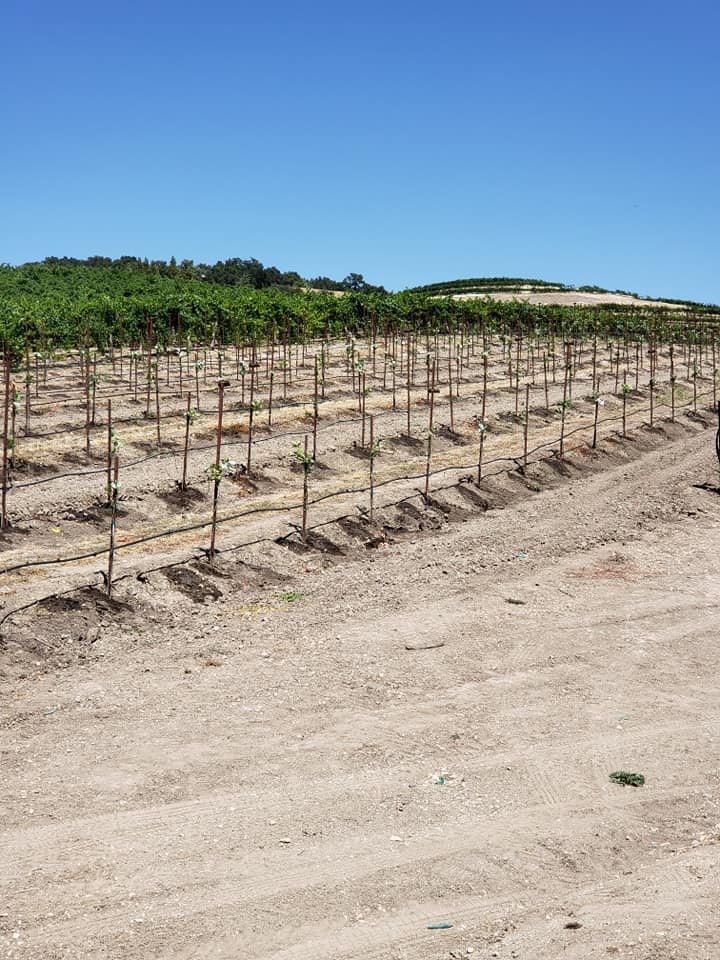
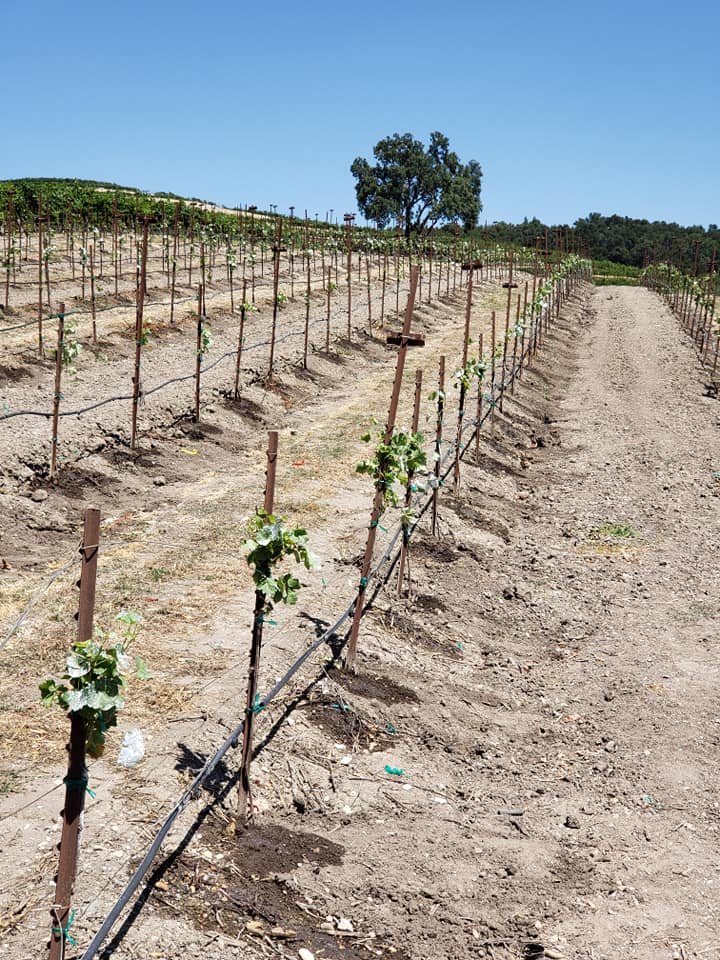
Good news is that the vines were granted the status of approved in 2018 so the first certified virus-free Vranac vines were planted in Russell Ranch foundation vineyard. They will be used to provide limited quantity of vines for commercial nurseries. We hope that in the years to come, more and more wineries from the USA will find an interest in planting Vranac. The pioneer in this venture is Opolo Winery located in Paso Robles, California. Rick Quinn, the owner of Opolo winery, has family roots in Herzegovina and Montenegro, so it doesn't come as a surprise that he feels the region of former Yugoslavia particularly close to his heart. In addition, to mark the celebration of the 800th anniversary of the Serbian Orthodox Church, Opolo Winery created a wine label Autocephaly that will be distributed throughout the United States.

This is a great piece of news for Vranac and it is in line with recent California trends where more and more wineries are experimenting with Mediterranean grape varieties to respond timely to global climate change. There are indications that in the coming decades, it will be increasingly difficult to cultivate premium quality Cabernet Sauvignon in some parts of California, so wineries have already started experimenting with adequate alternatives. Anyhow, knowing the family links between Kratošija / Zinfandel and Vranac, it won't be difficult to present qualities of Vranac to US winemakers.

Source: Vinopedia, 08/18/2019


SA


People Directory

Ivana Todorović

Ivana Todorović je rediteljka kratkih socijalno angazovanih dokumentarnih filmova, koje je pravila u Beogradu i Njujorku. Filmovi „Ja kada sam bila klinac, bila sam klinka“, „A Harlem Mother“, „Rapresent“ i „Svakodnevica romske dece iz bloka 71“ prikazani su na preko 100 internacionalnih filmskih festivala poput 63. Festivala u Berlinu, Berlinale Shorts; IFF Rotterdam, The Traverse City Film Festival (festival Michael Moore-a), Palm Springs Shorts, Sarajevo Film Festival; Anthology Film Archive u Njujorku i Cultura Contemporiana de Barcelona. Nagradjivani su na festivalima u Srbiji, Kosovu, Americi, Rusiji, Italiji, Kanadi.

Read more ...

Publishing

On Divine Philanthropy

From Plato to John Chrysostom

by Bishop Danilo Krstic

This book describes the use of the notion of divine philanthropy from its first appearance in Aeschylos and Plato to the highly polyvalent use of it by John Chrysostom. Each page is marked by meticulous scholarship and great insight, lucidity of thought and expression. Bishop Danilo’s principal methodology in examining Chrysostom is a philological analysis of his works in order to grasp all the semantic shades of the concept of philanthropia throughout his vast literary output. The author overviews the observable development of the concept of philanthropia in a research that encompasses nearly seven centuries of literary sources. Peculiar theological connotations are studied in the uses of divine philanthropia both in the classical development from Aeschylos via Plutarch down to Libanius, Themistius of Byzantium and the Emperor Julian, as well as in the biblical development, especially from Philo and the New Testament through Origen and the Cappadocians to Chrysostom.

With this book, the author invites us to re-read Chrysostom’s golden pages on the ineffable philanthropy of God. "There is a modern ring in Chrysostom’s attempt to prove that we are loved—no matter who and where we are—and even infinitely loved, since our Friend and Lover is the infinite Triune God."

The victory of Chrysostom’s use of philanthropia meant the affirmation of ecclesial culture even at the level of Graeco-Roman culture. May we witness the same reality today in the modern techno-scientific world in which we live.