A great man is one who collects knowledge the way a bee collects honey and uses it to help people overcome the difficulties they endure - hunger, ignorance and disease!
- Nikola Tesla

Remember, remember always, that all of us, and you and I especially, are descended from immigrants and revolutionists.
- Franklin Roosevelt

While their territory has been devastated and their homes despoiled, the spirit of the Serbian people has not been broken.
- Woodrow Wilson

The narrative seductiveness of Zoran Zivkovic

Why isn’t Zoran Zivkovic better known in this country? He possesses an imaginative ingenuity and charm similar to that of, say, Paul Auster or Italo Calvino, with bits of Kafka, Borges and Beckett mixed in. His body of work, superbly translated (mainly by Alice Copple-Tosic), has even grown substantial enough that Cadmus Press is bringing out a multi-volume “Zoran Zivkovic Collection,” which already includes “Impossible Stories I,” “The Papyrus Trilogy” and “The Five Wonders of the Danube.” Certainly anyone who loves to read will love reading this Serbian fabulist’s entrancingly bookish stories and novels.

More: Washington Post
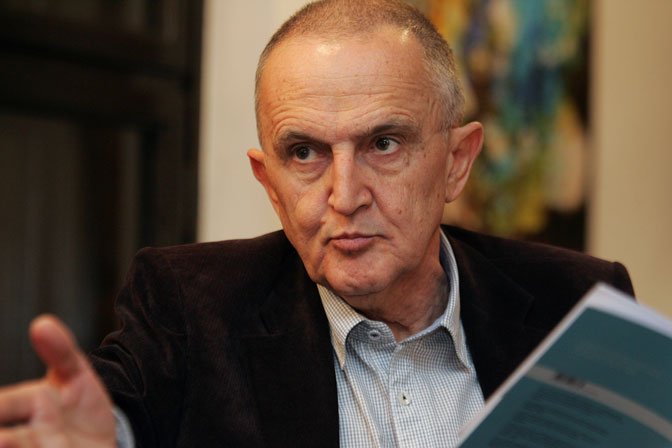

„Вашингтон пост”: Живковић поседује имагинативну проницљивост и шарм Остера или Калвина

„Вашингтон пост” је пре неколико дана донео је обиман и веома похвалан текст из пера угледног критичара Мајкла Дирде, добитника Пулицерове награде за новинарство, о чак три књиге нашег најпревођенијег писца Зорана Живковића: „Трилогија Папирус”, „Пет дунавских чуда” и „Немогуће приче I”.

Амерички издавач Кадмус прес управо је овим делима недавно отпочео веома амбициозан пројекат „Колекција Зорана Живковића” у оквиру кога ће бити објављена сабрана прозна дела нашег аутора на енглеском у чак 32 тома – 11 у тврдом повезу и 21 у меком. До краја године појавиће се и четврти том издања у тврдом повезу, „Немогуће приче II”, а током 2017. и 2018. изаћи ће преосталих 28 томова – по један у просеку на сваких 26 дана. Ово је први пут у историји српске књижевности да један наш писац добија сабрана дела код неког великог америчког издавача.

– Зашто Зоран Живковић није боље познат у САД – пита се на почетку свог приказа Мајкл Дирда. „Он поседује имагинативну проницљивост и шарм једног, рецимо, Пола Остера или Итала Калвина, уз оно што је понајбоље код Кафке, Борхеса и Бекета. Његов прозни опус, изврсно преведен на енглески, постао је уистину обиман, а да нам га представи потрудио се Кадмус прес који је уприличио пројекат „Колекција Зорана Живковића” у склопу кога су се ове јесени појавиле три књиге: „Трилогија Папирус”, „Пет дунавских чуда” и „Немогуће приче I”. Свако ко је заљубљен у читање несумњиво ће бити задивљен очаравајућим књижевним световима у причама и романима српског фабулисте.

Извор: Политика
Фото: А. Васиљевић


SA


People Directory

Zoran Mojsilov

Zoran Mojsilov was born in Belgrade, Yugoslavia in 1955. As a small child, he carved his own toys out of scrap wood and was adept at drawing and painting. In early adolescence he began Greco-Roman wrestling and continued this practice into his mid-20’s. He credits the discipline of training, an understanding of the skeletal muscular forms in the human body, and the spirit of competition in sports and life as primary factors for creating art today.

Mojsilov left Belgrade in 1983 for Paris, France to test his artistic credibility. In 1984, he met Ilene Krug, an American Artist, at Association Confluences. After two productive years there, they decided to move to Minneapolis in 1986.

.
Read more ...

Publishing

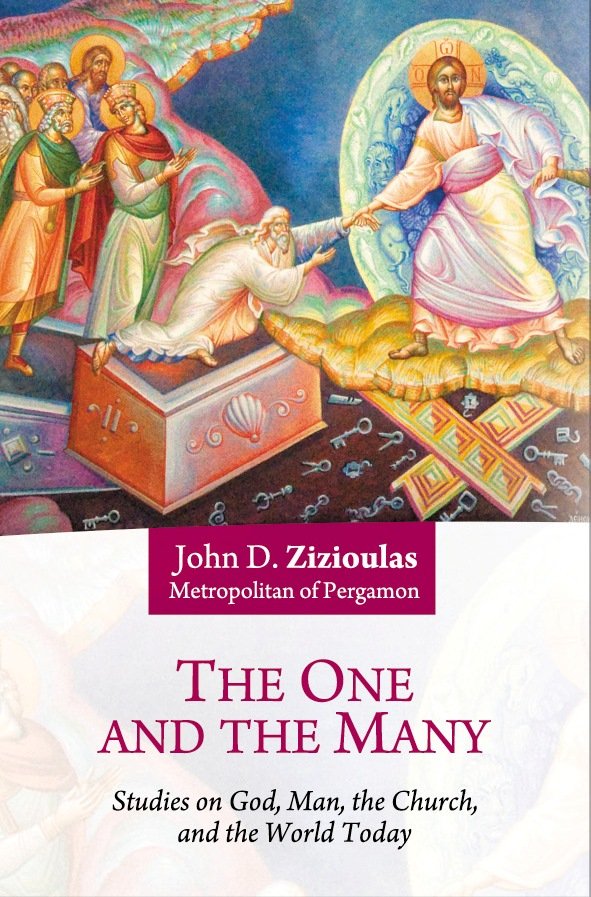
The One and the Many

Studies of God, Man, the Church, and the World today

by Metropolitan John D. Zizioulas

This volume offers a collection of Zizioulas articles which have appeared mostly in English, and which present his trinianatarian doctrine of God, as well as his theological account of the Church as the place in which freedom and communion are actualized. The title, The One and the Many, suggests the idea of a profound relationship that exists between the Persons in the Holy Trinity, between Christ and the Church, between one Catholic Church and many catholic Churches. On each of these levels of communion, each one is called to receive from one another and indeed to receive one another. And while this is understandable at the Triadological and Christological levels, it raises all sorts of fundamental ecclesiological questions, since the highest point of unity in this context is both the mutual ecclesial-eucharistic recognition and agreement on doctrine and canonical-eccelesiological organization.

Read more ...