A great man is one who collects knowledge the way a bee collects honey and uses it to help people overcome the difficulties they endure - hunger, ignorance and disease!
- Nikola Tesla

Remember, remember always, that all of us, and you and I especially, are descended from immigrants and revolutionists.
- Franklin Roosevelt

While their territory has been devastated and their homes despoiled, the spirit of the Serbian people has not been broken.
- Woodrow Wilson

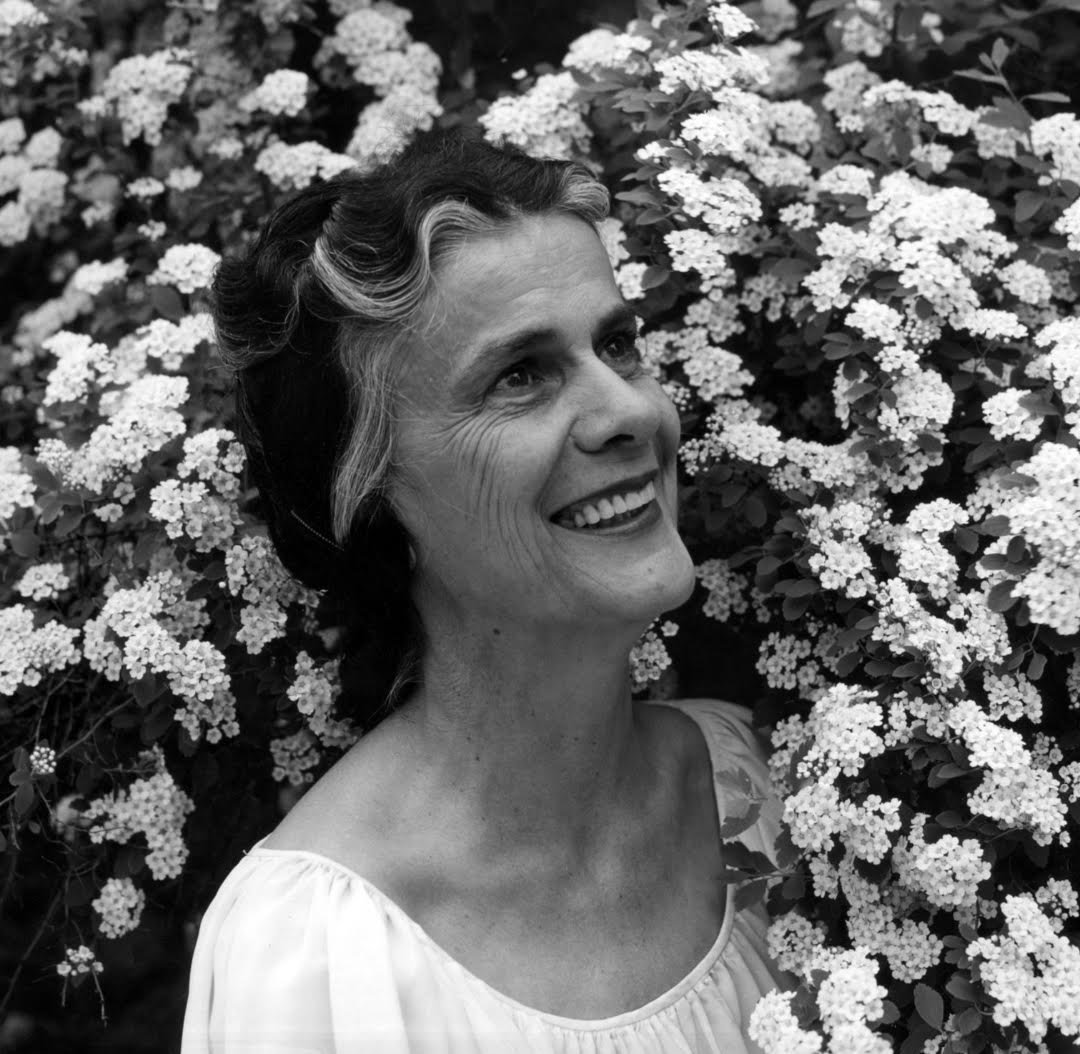
Олга Иванова Лазовић

Олга Иванова Лазовић (1898—1988) била је америчка списатељица, плесачица, композитор, филозоф и учитељица црногорског порекла. Била је унука српског војводе, кучког јунака и писца Марка Миљанова и супруга америчког архитекте Френка Лојда Рајта.

Олга Иванова Лазовић рођена је 27. децембра 1898. године на Цетињу од оца Ивана Лазовића и мајке Милице. Олгина мајка Милица је била храбра ћерка војвода Марко Миљанов која је јула 1914. када је објављена општа мобилизација, као Милунка Савић, узела пушку и пријавила се као добровољац у Српску војску претварајући се да је мушкарац. Са српском војском је прошла све најважније битке и ратишта.

Њен отац војвода Марко није имао мушке наследнике, па се говорило да је тај ратнички жар, који је горео из љубави према српском роду, усадио у своје три ћерке Анђу, Милицу и Јоку. Милица се још пре рата удала за Ивана Лазовића и са њим добила ћерку Олгу 1898. године. У првим деценијама 20. века, Олга је отишла из Црне Горе и у Америци постала писац, плесачица, композитор, филозоф, учитељица. У браку са архитектом Рајтом била је од 1924. до његове смрти 1959. и активно је учествовала у свим његовим пројектима.

Преминула је 1988. године у Скотсдејлу, држава Аризона. Била је дуго година на челу Рајтове фондације, а њеним напором Амерички институт архитеката прогласио је Рајта за највећег архитекту свих времена. Брачни пар Рајт је између два рата боравио у Олгиној постојбини.

Извор: Wikipedia


SA


People Directory

Bishop Jovan (Mladenović)

(1994–2002)

The Divine provision brought the spiritual father of the Monastery Studenica, Bishop Jovan, to continue the work left by the equally most esteemed and humblest spiritual father of the Monastery Hilandar, Bishop Chrysostom.

As an accomplished monastic with the spiritual wealth he attained in the Studenica Monastery, he enriched his flock and clergy. Very soon he gained respect and confidence of his clergy and the faithful.

Bishop Jovan was born in 1950 of father Radojko and mother Stana Mladenović in the village of Dobrace, near Arilje, Serbia. He finished elementary school in his village. At the age of twelve, he went to the Klisura Monasteiy where he remained for one year and then went to the Studenica Monastery. He attended the monastic school in the Ostrog Monastery from 1967 until 1969. He was ordained a hierodeacon in the Studenica Monastery on April 25, 1971. He retained his baptized name of Jovan. Rt. Rev. Vasilije, Bishop of Žiča ordained him as hieromonk in 1973. He graduated from St. Sava Seminary in Belgrade in 1974 and from Theologcial College in Belgrade in 1980.

Read more ...

Publishing

Serbian Americans: History—Culture—Press

by Krinka Vidaković-Petrov, translated from Serbian by Milina Jovanović

Learned, lucid, and deeply perceptive, SERBIAN AMERICANS is an immensely rewarding and readable book, which will give historians invaluable new insights, and general readers exciting new ways to approach the history​ of Serbian printed media. Serbian immigration to the U.S. started dates from the first few decades of 19th c. The first papers were published in San Francisco starting in 1893. During the years of the most intense politicization of the Serbian American community, the Serbian printed media developed quickly with a growing number of daily, weekly, monthly and yearly publications. Newspapers were published in Serbian print shops, while the development of printing presses was a precondition for the growth of publishing in general. Among them were various kinds of books: classical Serbian literature, folksong collections, political pamphlets, works of the earliest Serbian American writers in America (poetry, prose and plays), first translations from English to Serbian, books about Serb immigrants, dictionaries, textbooks, primers, etc.

Read more ...